
Leadership speaking engagements for your event

Can a leadership speaker address change management or company culture? Yes. These can be useful themes for a keynote when they match your event’s purpose and what the audience needs to take away. The right fit is about more than a compelling talk: it’s about giving people ideas they can connect with their work.
Choosing a speaker can feel like another high-stakes decision when you’re already balancing the programme, budget and stakeholders’ expectations. Start with the change you want the event to support, then consider which speaker’s experience and approach will resonate with your audience. Clear priorities make planning leadership speaking more manageable.
This article explains what can shape a leadership speaker’s fee, how to assess the fit for your event and which topics might suit your audience, from leading through change to building a healthier company culture. You’ll have a clearer starting point for planning a keynote that feels relevant, thoughtful and grounded in what your people need.
Key Takeaways
- Match the speaker’s experience and subject to your event’s goals, audience and tone.
- Understand what can shape a speaker’s fee, including their profile and event requirements.
- Plan for booking conversations and practical arrangements, as well as any event extras.
- Explore themes such as change management and company culture to find a focus that feels relevant to your audience.
- A clear proposal request can help align the speaker’s approach with your conference plans.
How much does it cost to hire a leadership keynote speaker?
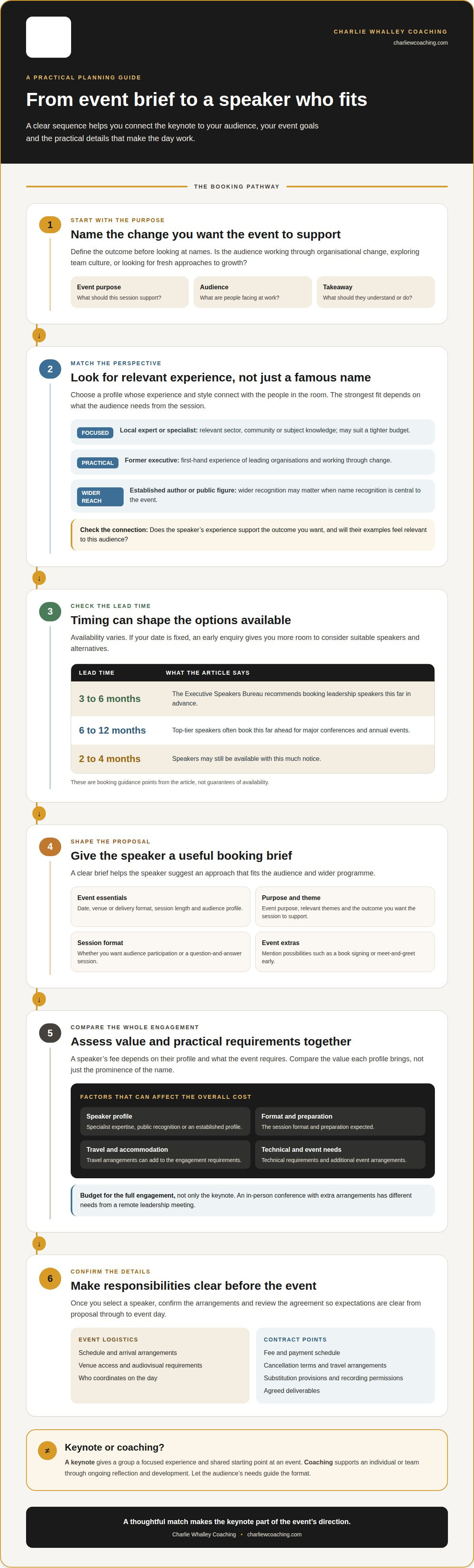
A leadership keynote speaker’s fee depends on their profile and the event requirements. An emerging thought leader or local expert may suit an event with a tighter budget, while an established author or former executive may bring wider public recognition. A celebrity, bestselling author or globally recognised leader may suit an event where name recognition is central. Compare the value each profile brings, not just the prominence of the name.
Budget for the full engagement, not just the keynote. The format, preparation, travel, accommodation and technical requirements can all affect the overall cost. An in-person conference with additional event arrangements, for example, has different needs from a remote leadership meeting. When requesting a proposal, clarify the audience, event purpose and practical requirements so the fee reflects the work expected.
Speaker profiles range from specialists with focused subject expertise to public figures whose leadership stories are widely recognised. An author such as Angela Duckworth may appeal to audiences interested in perseverance and achievement. A former executive can draw on experience leading organisations, whilst a local expert may bring knowledge of the audience’s sector or community. Match the profile to the event’s aims before deciding which fee level makes sense.
At a corporate retreat or leadership summit, a keynote can give people a shared language for a challenge such as change or team culture. A speaker’s story can prompt discussion and bring the event theme to life. The strongest choice isn’t necessarily the most famous: it’s someone whose experience connects with the people in the room. Consider whether the audience needs a fresh perspective, practical ideas or an inspiring example.
A keynote and executive coaching serve different purposes. A keynote gives a group a focused experience at an event; coaching supports an individual or team through ongoing reflection and development. If attendees need a shared starting point, a keynote may suit the programme. If leaders need continued support as they work through personal goals or workplace challenges, coaching may be more appropriate.
An effective leadership keynote has a clear point, relevant examples and a message suited to its audience. Before selecting a speaker, define the outcome you want the session to support, then assess how their expertise and style serve that purpose. A thoughtful match can make the keynote feel less like a pause in the conference and more like a useful part of its direction.
How can a professional leadership speaker help you find the right fit for your event?
A professional speaker can help shape your search around conference goals, audience and programme, rather than a famous name alone. Start with a concise booking brief: explain the event’s purpose, theme, audience, format and desired outcome. A corporate gathering focused on organisational change, for example, may need a different perspective from an entrepreneur summit seeking fresh approaches to growth.
A custom proposal is most useful when the speaker understands what the audience is facing and how the keynote fits the wider programme. Include the date, venue or delivery format, audience profile, session length and relevant event themes. Note practical needs such as audience participation or a question-and-answer session. These details help the speaker outline a relevant approach, preparation needs and possible event extras.
For a diverse audience, curated recommendations can help narrow the field. A professional might suggest a former executive with first-hand experience of change, a bestselling author whose work fits the theme or an entrepreneur with a relevant business story. Each profile brings a different perspective. Recommendations should connect a speaker’s experience to your audience, not simply list credentials. Ask how each person’s expertise supports the event’s intended outcome.
Timing also shapes the choice. The Executive Speakers Bureau recommends booking leadership speakers 3 to 6 months in advance. Top-tier speakers often book 6-12 months ahead for major conferences and annual events, whilst speakers may still be available with 2-4 months’ notice. If your preferred date is fixed, an early enquiry gives more room to consider suitable options. A professional can also help identify alternatives if a first choice is unavailable.
Once you select a speaker, the booking process can cover the agreement, session preparation and event logistics. Confirm the schedule, arrival arrangements, venue access, audiovisual requirements and who is responsible for event-day coordination. Some bookings may include extras such as a book signing or meet-and-greet. Discuss these early so they fit the running order and audience experience, rather than becoming last-minute additions.
Before signing, review the contract’s fee and payment schedule, cancellation terms, travel arrangements, substitution provisions, recording permissions and agreed deliverables. These terms clarify what happens if plans change and how the keynote may be used afterwards. A professional booking process should make responsibilities and expectations clear, from proposal through to event day. That clarity helps you plan confidently, whether you’re organising a focused leadership meeting or a large corporate conference.
Speaker fees, audience response, reputation, and sensitivities
A speaker’s fee is only one part of the decision; audience fit, reputation and event requirements also shape value. Consider what the keynote should help people understand or do, then assess the speaker’s experience and approach against that purpose.
Speaker fees and additional costs
Leadership speaker fees vary with profile, expertise, demand and the preparation an event requires. Travel, accommodation and technical needs can add costs, so consider the full engagement rather than the speaking fee alone. A local expert and a globally recognised executive bring different profiles; the right choice depends on your audience, event objectives and available budget. Ask for a proposal setting out the agreed scope and associated costs.
Audience response and engagement impact
How can leadership speakers measure the impact of an engagement? Agree the intended outcome before the keynote, then gather audience feedback and review whether participants use the ideas afterwards. A session on workplace culture, for example, might prompt discussion about team behaviour, whilst a talk on leadership skills could inform later development conversations. These measures indicate relevance and learning, not a guaranteed business result.
Audience response depends partly on whether the speaker’s experience feels relevant. A founder discussing a difficult business decision may resonate with entrepreneurs, while an executive’s account of leading change could speak more directly to senior teams. Consider the group’s existing knowledge and mindset too. A useful keynote meets people where they are, then offers a perspective they can take into their work.
Reputation also deserves careful consideration. Review the speaker’s public profile, previous work and subject expertise against the event’s values and audience expectations. A leadership figure with a strong point of view may bring energy, but that perspective should suit the occasion. At a university leadership event, for instance, the audience may value evidence and reflection alongside personal stories.
Sensitivities matter when a keynote touches on culture, identity, organisational change or personal experience. Clarify the event’s context and any themes that require care during planning. The speaker can then shape examples and language for the audience rather than relying on a generic presentation. This is particularly useful when attendees have different roles, backgrounds or levels of influence.
Finally, distinguish a memorable reaction from meaningful follow-through. A lively discussion after a keynote can signal interest, while later use of a shared framework or new skills offers another indication of engagement. Mike Krzyzewski led Duke University’s men’s basketball team from 1980 to 2022, illustrating how a long leadership career can offer rich material. The event’s value still depends on connecting that experience to the audience’s real challenges.
Speakers’ leadership topics and areas of expertise
Leadership keynote speakers bring different experiences, from military command to academic research and business innovation. What qualifications do leadership speakers need? There’s no single route: relevant expertise, clear communication and a subject suited to the audience help establish credibility. For your event, connect the speaker’s experience to the leadership challenge people are working through.
Start by identifying the insight you want the audience to take away. A workplace facing change may benefit from a speaker who can explore decision-making under pressure; a conference focused on innovation may need fresh thinking about experimentation and collaboration. A leadership keynote can also address communication, resilience or building trust. The topic matters most when it gives attendees something useful to reflect on after the event.
Military leadership speakers often draw on experience in complex, high-pressure environments. William McRaven commanded U.S. Joint Special Operations Command from 2008 to 2011, then U.S. Special Operations Command from 2011 to 2014. His career can offer material on preparation, teamwork and decision-making. These examples resonate when the audience’s needs align with the lessons being discussed, rather than simply because the speaker has a military background.
Other military careers offer different perspectives. Jason Harris completed 11 deployments during his United States Air Force career, logged more than 2,000 combat hours and flew 470 combat sorties. Nicole Malachowski had a 21-year United States Air Force career. Their experiences can support talks about teamwork, adaptability or performing under pressure. Event planners should consider how these themes translate to their audience’s work, without treating military and workplace contexts as identical.
Academic experts can bring behavioural science and research-informed insights to leadership topics. Alison Wood Brooks is described as a “40 Under 40” MBA professor, whilst Corinne Low is described as a “Top 40 Under 40” business professor. Their academic backgrounds may suit audiences seeking structured analysis of communication, decision-making or workplace behaviour. Consider whether your attendees want evidence-led ideas, practical examples or a blend of both.
Expertise can also come from a specific leadership role. James Stavridis served as the 16th Supreme Allied Commander, NATO, while William McRaven’s command experience offers a different lens on leadership in military organisations. These profiles show why a speaker’s subject knowledge should match the event’s purpose. A conference exploring strategic leadership may call for different expertise from a session focused on team dynamics.
To compare profiles, map each speaker’s expertise to the event theme, audience and intended learning. Then consider the examples they use, the questions they can address and how their insights connect with everyday leadership. The strongest match isn’t simply the person with the most impressive title. It’s the speaker whose knowledge makes the topic meaningful to the people in the room.
How do I request a proposal from a leadership speaker for a conference?
Begin with a clear conference brief explaining what your audience needs from the session. Include the event’s purpose, theme, audience profile, date, location or delivery format, and the keynote’s role in the programme. A conference about organisational change, for example, may need practical insights for managers, while a leadership summit may seek a broader strategic perspective. This gives the proposal a clear foundation.
Describe what you hope attendees will take away. That might be a shared language for discussing change, a fresh approach to team communication or ideas leaders can apply to a current challenge. Add the session length, preferred format and any plans for questions or audience participation. For leadership speaking engagements, a specific intended outcome helps the speaker shape the session around the people in the room.
Include practical details that could shape the proposal. Note the venue arrangements, technical requirements, event schedule and whether you’re considering extras such as a book signing or meet-and-greet. If the keynote sits within a wider programme, explain how it relates to other sessions. That context helps the speaker create an approach that complements the conference rather than repeating its other themes.
Ask the speaker to outline their proposed topic, how it connects to your audience and what preparation the engagement involves. You can also request relevant examples of past work or experience with similar themes. A proposal should make the fit easier to assess: an executive’s account of leading change, for instance, may suit an audience facing organisational uncertainty.
Booking time can influence your options. The Executive Speakers Bureau recommends booking leadership speakers 3 to 6 months in advance. Top-tier speakers often book 6-12 months ahead for major conferences and annual events, although speakers may still be available with 2-4 months’ notice. For leadership speaking engagements with a fixed date, enquire early and mention whether alternative dates are possible.
Once a proposal feels aligned, arrange a conversation with the prospective speaker. Discuss the session’s focus, audience expectations and any sensitivities around the conference theme. Then review the agreement, including the fee, payment schedule, cancellation terms, travel arrangements, recording permissions and agreed deliverables. Clear terms help both sides understand the plan.
A well-prepared brief makes it easier to compare proposals on relevance, approach and practical fit, rather than reputation alone. If your conference needs a speaker who can connect leadership ideas with the audience’s working lives, discuss your conference speaker brief.
Charlie Whalley Coaching: Life & Leadership Coaching
Charlie Whalley Coaching offers Speaking & Events for organisations seeking a leadership speaker, alongside Life & Leadership Coaching for people navigating personal or professional change. A keynote can introduce ideas to a group; coaching gives individuals space to explore leadership challenges and build confidence over time. The right option depends on whether your next step is an event for your audience or individual support for your development.
If you’re planning a conference or leadership meeting, Charlie Whalley Coaching can bring a relevant perspective to your event through speaking engagements and workshops. If you’re looking for ongoing support with direction, confidence or change, leadership coaching may be a better fit. You don’t need every detail worked out before starting a conversation.
Ready to discuss your event or coaching needs? Contact Charlie Whalley Coaching.
Choose the next step that feels right
A conference can create a valuable moment of reflection, but its influence grows when people have space to act on what they’ve heard. As you plan, consider what you want to continue after the event: a fresh conversation about leadership, support through a career change or encouragement for a young person finding their confidence. That intention can guide your next step, whether you’re arranging an event or seeking support for yourself or your family.
Charlie Whalley Coaching offers Speaking & Events, Life & Leadership Coaching, Career Transition Coaching and Kids Coaching. Each provides a different way to support people as they navigate change, build confidence and find direction. You don’t need every detail decided before exploring what could be useful.
If you’re ready to talk through what might suit your situation, contact Charlie Whalley Coaching. A thoughtful next step can begin with a simple conversation.
Frequently Asked Questions
Do leadership speakers also cover change management or company culture?
Yes, change management and company culture can be central keynote themes. A speaker might explore how leaders communicate during a transition, build trust across teams or respond to resistance. An organisation restructuring its departments, for example, could seek practical ideas for supporting people through uncertainty. Share the challenge your audience is facing so the talk can focus on relevant examples rather than treating change as an abstract idea.
How do leadership talks spark change in organisations?
Leadership talks can give colleagues a shared starting point for discussing a challenge or trying a new approach. A session on feedback, for example, might prompt managers to reflect on how they listen and respond at work. A keynote alone doesn’t make change happen; its ideas become more useful when leaders connect them to team conversations, decisions and follow-up activities that fit their organisation.
How far in advance should I book a leadership speaker?
Top-tier speakers often book 6-12 months ahead, particularly for major conferences and annual events, whilst speakers may still be available with 2-4 months’ notice. If your date is fixed, begin enquiries early and include any flexibility in your brief. That can help you consider a wider range of speaker profiles and schedules.
What industries benefit most from leadership speakers?
Leadership speakers can suit corporate, community and educational settings, depending on the event’s purpose. A technology conference might explore leadership during innovation, while a university event could focus on communication or decision-making. Community organisations may prefer themes such as confidence, collaboration or navigating change. Rather than choosing by industry alone, consider the audience’s roles, current challenges and hoped-for takeaways.
What are leadership speaking engagements?
A leadership speaking engagement is a planned talk or keynote focused on leadership ideas, experiences or challenges for a particular audience. It may form part of a conference, retreat, summit or educational event. A speaker might discuss leading through change at a corporate gathering, for example. The session’s format and focus depend on the event brief, audience and speaker’s expertise.
How much do leadership speakers charge in the United States?
Leadership speaker fees in the United States vary according to the speaker’s profile, experience and the work involved in the engagement. Preparation, travel, accommodation and technical requirements can also affect the overall event budget. A well-known author and a specialist with focused subject expertise may have different fee structures. Request a proposal clarifying what the fee covers and which event costs are separate.
What factors affect leadership speaker fees?
Fees can reflect a speaker’s public profile, subject expertise, demand and preparation requirements. Event format and logistics matter too: an in-person conference may involve travel and accommodation, while technical needs can affect delivery arrangements. A proposal for a tailored keynote may also differ from one for a standard presentation. To assess value, relate the proposed scope and costs to your audience, event objectives and programme.
How can organisations book a leadership speaker?
Prepare a short brief with the event date, audience, theme, format and intended outcome, then request a proposal. Explain, for instance, whether attendees need ideas for leading change or improving team communication. Discuss the proposed topic, preparation and practical arrangements before agreeing terms. A clear agreement should set out responsibilities, costs, cancellation provisions and any recording permissions, helping everyone understand the plan before event day.